


In today’s fast-evolving healthcare landscape, a single lab result no longer tells the whole story. To truly understand your health, you need to see how your biomarkers change over time and how they interact with other signals your body is constantly producing. This is where digital biomarkers and lab result trend tracking converge to create a new era of personalized, proactive health management.
What Are Digital Biomarkers?
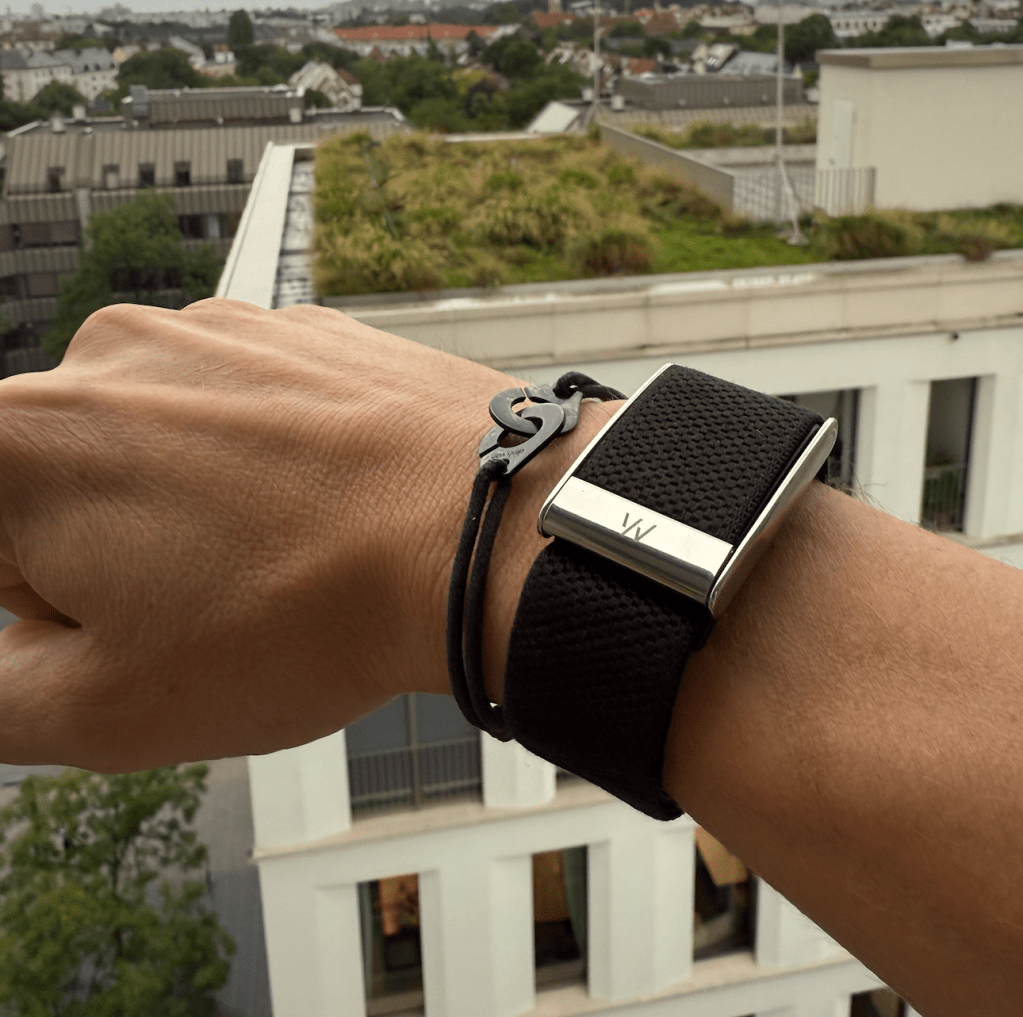
The WHOOP band, a wearable collecting digital biomarkers 24/7.
Digital biomarkers are physiological, behavioral, or molecular data collected passively through devices like wearables, apps, or sensors. Unlike traditional lab biomarkers—such as cholesterol, glucose, or CRP levels measured from blood tests—digital biomarkers provide continuous, real-time information about how your body is functioning.
Examples of digital biomarkers include:
- Heart rate variability (HRV) from smartwatches like Apple Watch
- Sleep patterns tracked by devices like Oura Ring
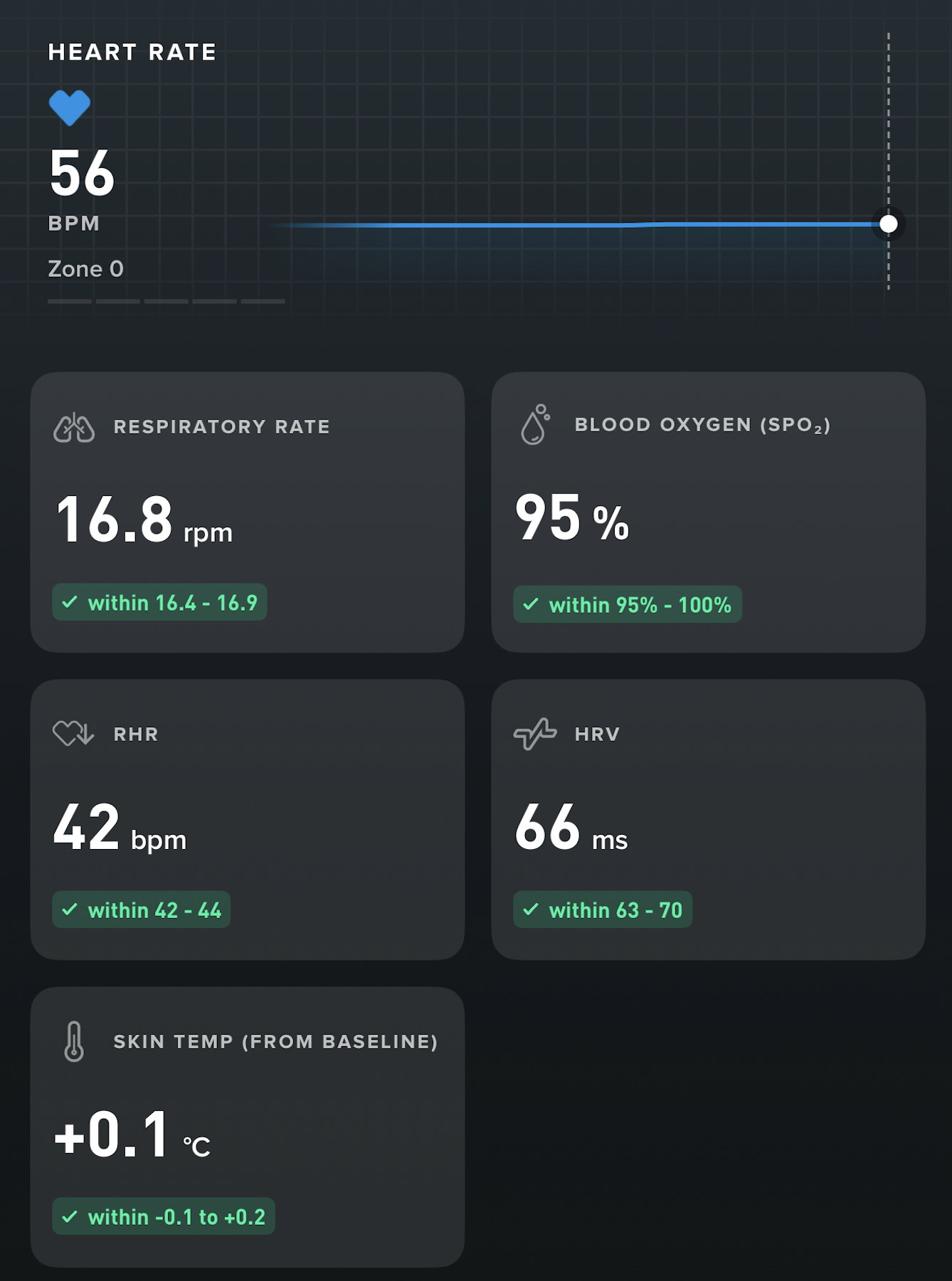
- Strain, recovery, resting heart rate (RHR), and activity metrics from WHOOP bands
- Continuous glucose monitoring (CGM) data
- Respiratory rates and oxygen saturation from wearable biosensors [R]
These digital signals offer valuable context for interpreting lab-based biomarkers, enabling a more comprehensive view of your health.
Why Lab Result Trend Tracking Matters
Lab tests are often viewed as snapshots—momentary glimpses into your health status. But true insights emerge when you track these values over time. A cholesterol level that’s “normal” today might have been slowly creeping up for years. A slight but persistent increase in fasting glucose could be an early sign of insulin resistance, long before it crosses into diabetic territory.
Trend tracking reveals these subtle shifts, empowering both patients and clinicians to take early, preventive action. Instead of reacting to out-of-range lab results, you can spot trends and intervene before they become clinically significant.
Digital Biomarkers + Lab Trends = Proactive Health Superpowers
When you combine digital biomarkers with historical lab result trends, you gain a 360-degree view of your health trajectory. Wearable data can highlight day-to-day fluctuations, while lab tests anchor these trends with concrete biological markers.
For instance:
- A rising resting heart rate from your Apple Watch, paired with trending increases in LDL cholesterol and CRP, could signal an emerging cardiovascular risk.
- Sleep disruption patterns from Oura Ring, in conjunction with rising cortisol levels, might reveal stress-related metabolic issues.
- WHOOP’s strain, recovery, and resting heart rate (RHR) data overlaid with periodic HbA1c results can help fine-tune dietary and lifestyle strategies.
The integration of these data streams allows for more personalized recommendations and earlier interventions.
How HealthMatters.io Helps You Visualize and Act on Lab Trends
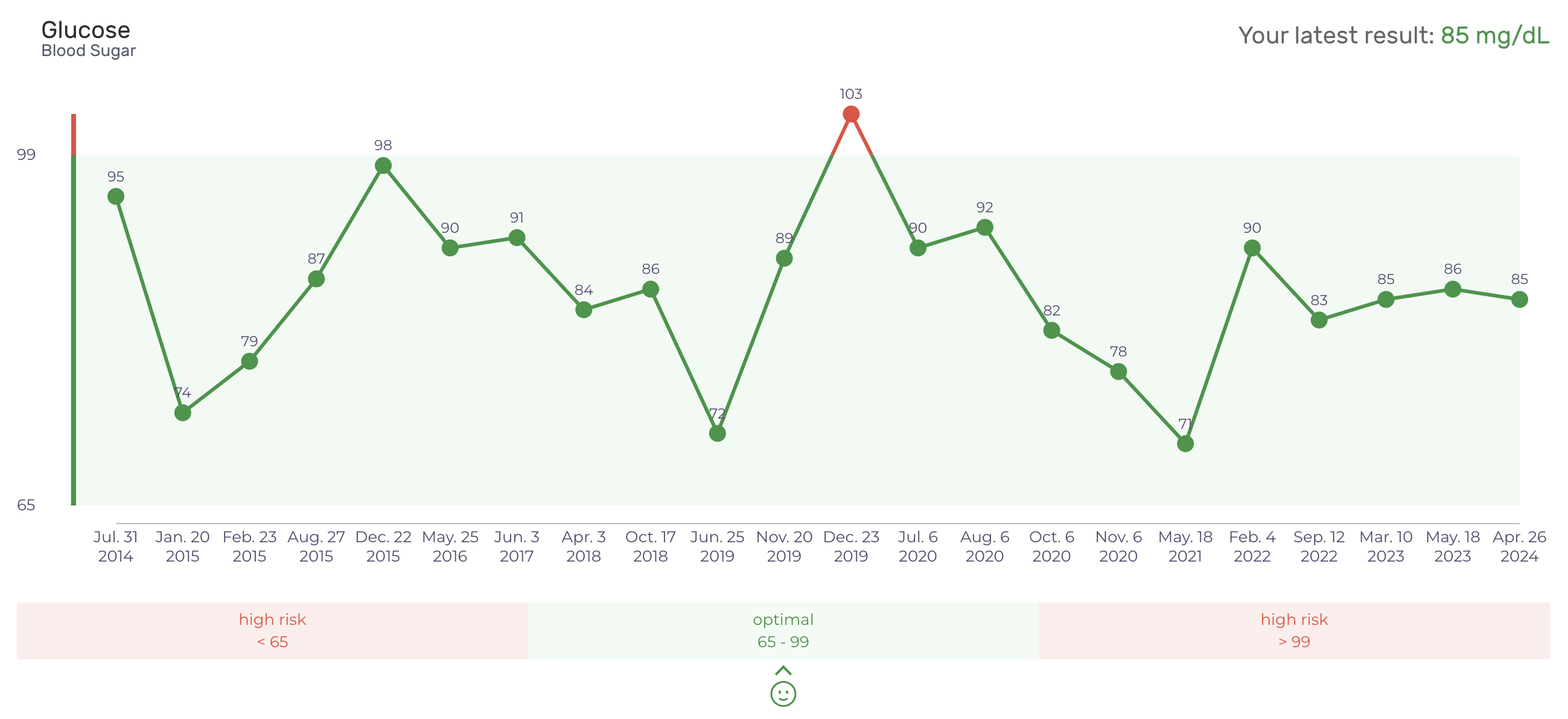
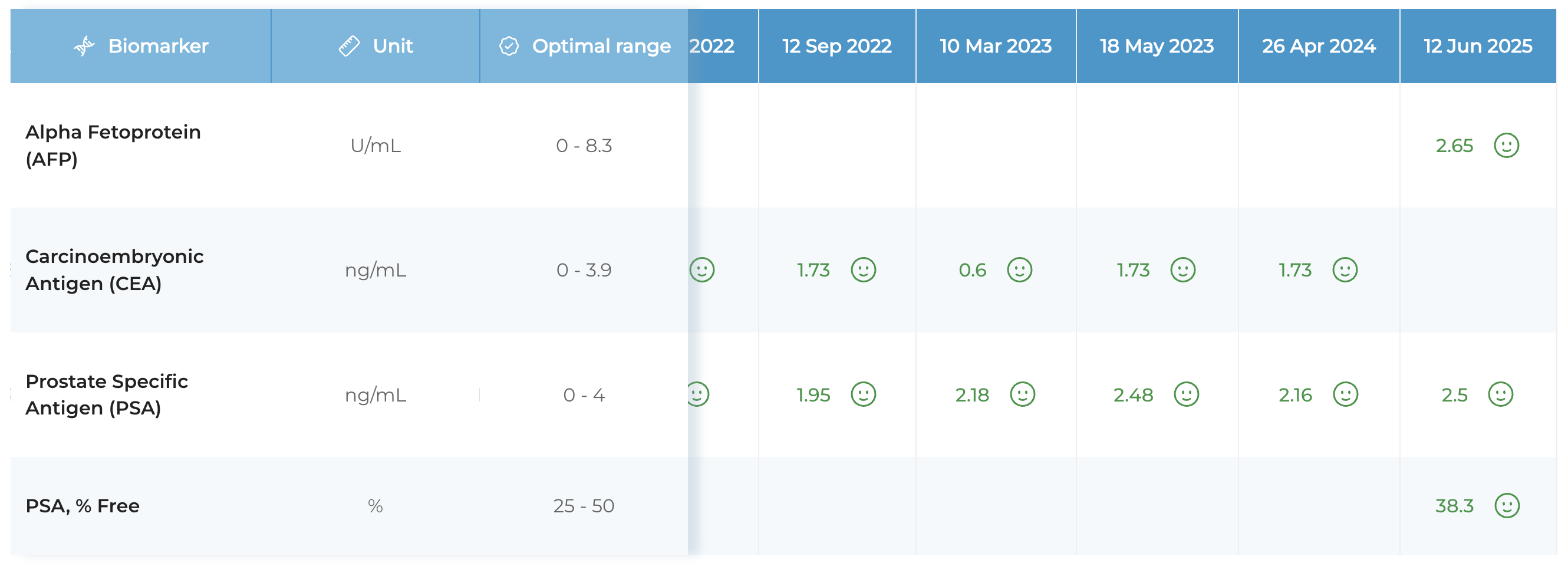
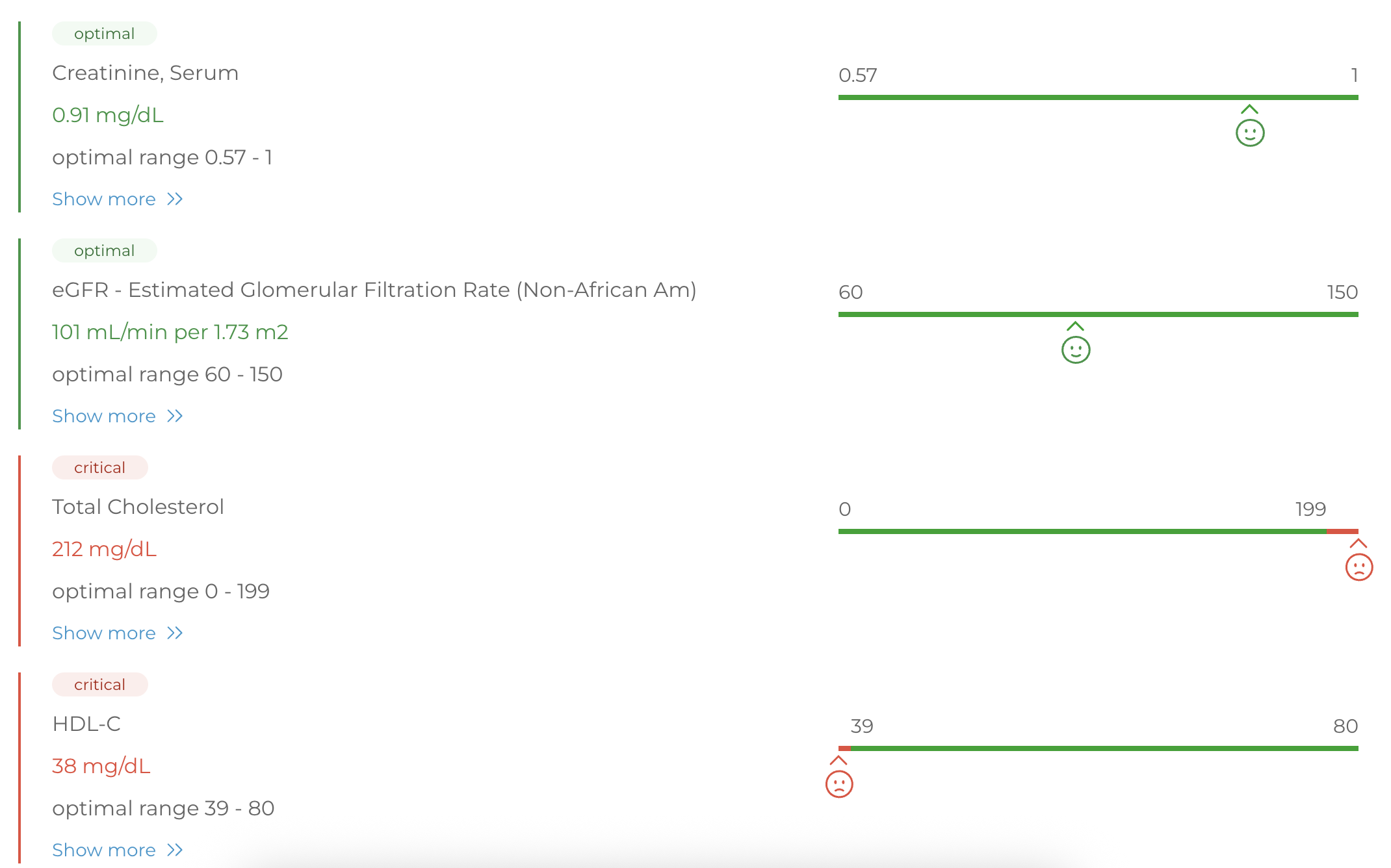
At HealthMatters.io, we understand the power of seeing your lab results in context. Our platform enables you to:
- Upload lab results from major labs like Labcorp and Quest Diagnostics
- View side-by-side comparisons across multiple tests and dates
- Spot trends over time with intuitive visualizations
- Customize your optimal reference ranges
While wearables offer continuous data, HealthMatters.io empowers you to connect these signals with your core biological markers, giving you actionable insights you can discuss with your healthcare provider.
Challenges and Considerations
As promising as this convergence is, there are challenges to consider:
- Wearable data accuracy can vary between devices and manufacturers.
- Privacy and data security remain top concerns when aggregating sensitive health information.
- Self-interpretation of trends without clinical context can lead to unnecessary anxiety.
Therefore, it’s essential to view digital biomarkers and lab trends as tools for collaborative health management, not as substitutes for professional medical advice.
The Future: AI-Powered Predictive Health Models
Looking ahead, the integration of AI with biomarker trend data will redefine preventive medicine. Machine learning algorithms are already being developed to detect patterns that human eyes might miss, predicting potential health risks before they manifest as symptoms.
Multi-omics approaches—combining genomics, proteomics, metabolomics, and digital biomarkers—will further personalize healthcare, enabling truly individualized prevention strategies.
Conclusion: The New Era of Personalized Health Tracking
The future of healthcare is proactive, data-driven, and personalized. By tracking how your lab results evolve over time and combining that data with digital biomarkers from everyday devices, you can gain deeper insights into your health and take action sooner.
HealthMatters.io is here to help you bridge that gap. Start tracking your lab result trends today and take control of your health journey—because subtle changes, when caught early, can prevent bigger health issues tomorrow.
Frequently Asked Questions (FAQ)
What are digital biomarkers? Digital biomarkers are health-related data collected through wearable devices, apps, or sensors that provide real-time information about physiological or behavioral patterns. Examples include heart rate variability (HRV), resting heart rate (RHR), sleep patterns, and activity levels.
How are lab result trends different from single lab tests? Single lab tests offer a snapshot of your health at a specific moment, whereas trend tracking reveals how your biomarkers change over time. This helps identify patterns and early warning signs before they become clinically significant.
Which devices are best for tracking digital biomarkers? Popular devices include WHOOP bands (for strain, recovery, RHR, and HRV), Oura Ring (for sleep and readiness), and Apple Watch (for heart rate metrics and activity tracking).
Can wearables predict health problems? While wearables alone cannot diagnose conditions, they provide valuable trend data. When combined with lab result trends and interpreted by a healthcare professional, they can highlight potential health risks early.
Is the data from wearables accurate? Wearable accuracy varies across devices and metrics. While not as precise as clinical-grade equipment, modern wearables offer reliable trend insights when used consistently over time.
How does HealthMatters.io help with lab result tracking? HealthMatters.io allows you to upload lab results from major labs, visualize trends, customize optimal ranges, and connect these insights with data from wearables for a holistic health view.
Do I still need to see a doctor if I track my biomarkers? Absolutely. Biomarker tracking tools are designed to support, not replace, professional medical advice. Always consult your doctor to interpret your data in a clinical context.
Take Control of Your Health Today
Ready to see your health trends in action? Upload your lab results to HealthMatters.io and start connecting your lab markers with your daily wearable data. Spot patterns, stay proactive, and empower yourself with insights that can prevent future health issues.
Disclaimer: The information provided in this article is for educational and informational purposes only and is not intended as medical advice. Always consult with a qualified healthcare professional regarding your health concerns, diagnoses, or treatment options. HealthMatters.io does not provide medical diagnoses or treatment recommendations. Any health decisions should be made in consultation with your healthcare provider.
 blog.healthmatters.io